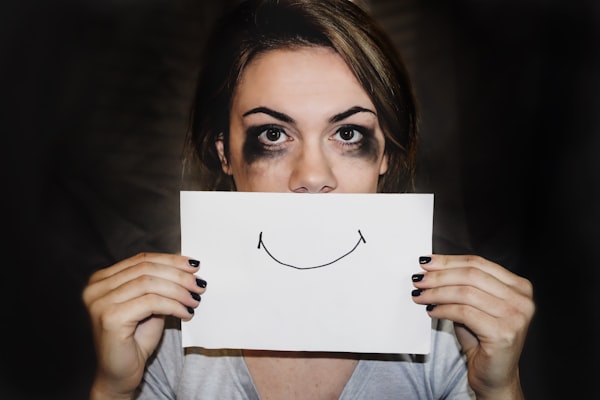
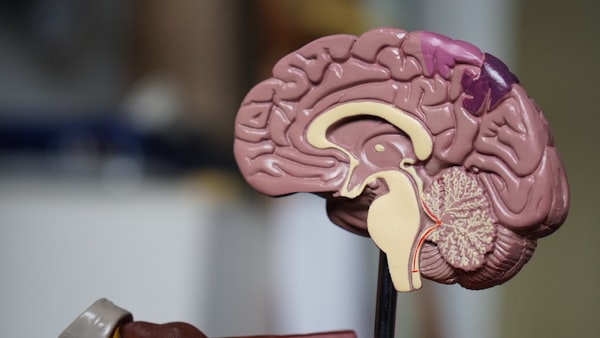
We have all felt it. That sharp, uncomfortable tightening in the chest when your partner laughs a little too long with someone else. The quiet spiral that starts when a colleague gets the recognition you were hoping for. The sting of watching someone else live a life that looks a lot like the one you wanted.
We call it jealousy. And almost immediately, we direct it outward. But here is the thing that took me a long time to understand: jealousy is rarely about the other person. It is almost always about you.
Jealousy as a Mirror
There is a reason jealousy feels so personal, so visceral, so hard to shake with logic. It is not a response to what is actually happening in front of you. It is a response to something much older: a belief, buried somewhere beneath the surface, that you are not enough. Not lovable enough. Not talented enough. Not worthy enough to hold on to the things and people you value.
The person who triggered the jealousy did not create that belief. They just walked close enough to the wound to make it hurt. Two people can witness the exact same situation and have completely different reactions. One feels secure and unbothered. The other spirals into anxiety and suspicion. The situation is identical. The difference lives entirely inside the person reacting to it.
What Jealousy Is Actually Highlighting
When jealousy flares up, it is pointing at something specific: a place inside you where you do not quite believe you deserve what you have. In romantic jealousy, it often sounds like: why would they stay with me when someone like that exists? That thought has nothing to do with your partner's behaviour and everything to do with how you see yourself.
Psychologists call these core beliefs: automatic, often unconscious assumptions about yourself and your place in the world. Beliefs like I am not enough or I am unlovable are usually formed early in life, shaped by childhood experiences, attachment patterns, and moments where we felt rejected or abandoned. They sit quietly in the background until something pokes them. Jealousy is one of the most reliable pokers there is.
The Hidden Wounds Underneath
Most people who struggle with intense or recurring jealousy are not irrational by nature. They are carrying wounds that were never properly tended to. Maybe love in childhood felt unpredictable, available one moment and withdrawn the next, and so the nervous system learned to stay on high alert for signs of loss. Maybe a past relationship involved real betrayal, and now the brain pattern-matches even neutral situations to that old threat.
This is why telling a jealous person to just trust your partner is almost always useless. The jealousy is not a logical error that can be corrected with reassurance. It is a signal from the nervous system that something old and unresolved is asking for attention.
Jealousy Does Not Create the Feeling. It Reveals It.
Jealousy is not the source of your pain. It is the occasion for it. The fear, the unworthiness, the grief, the old anger: those were already there, formed by experiences that had nothing to do with your current partner or your current life. Jealousy just created the conditions for them to surface.
This is actually useful information, even though it does not feel that way when you are in the middle of it. Because it means the real work is internal. It is asking: what is this feeling trying to tell me about myself? What wound is being touched here? What do I believe about my own worth that is making this moment feel so dangerous?
What to Do With This
None of this means jealousy makes you broken or weak. It makes you human. But if jealousy is a recurring visitor in your life, if it is costing you peace or damaging your relationships, it is worth treating it as a doorway rather than just a problem.
When jealousy appears, try getting curious instead of reactive. Ask yourself: what am I actually afraid of here? Therapy, particularly approaches that work with attachment patterns and core beliefs such as schema therapy or EMDR, can be genuinely transformative for people whose jealousy is rooted in early trauma. It will not eliminate the feeling, but it can change the relationship you have with it.
Extend yourself some compassion. Jealousy is not a character flaw. It is a very human response to feeling like something precious might be taken from you: something you were never quite sure you deserved in the first place. The answer to that is not control. It is healing.
The next time jealousy shows up, try asking it one question before you act on it: what are you actually trying to protect?